

Summary
Description of Aeration Stones for Beer Fermentation Tanks
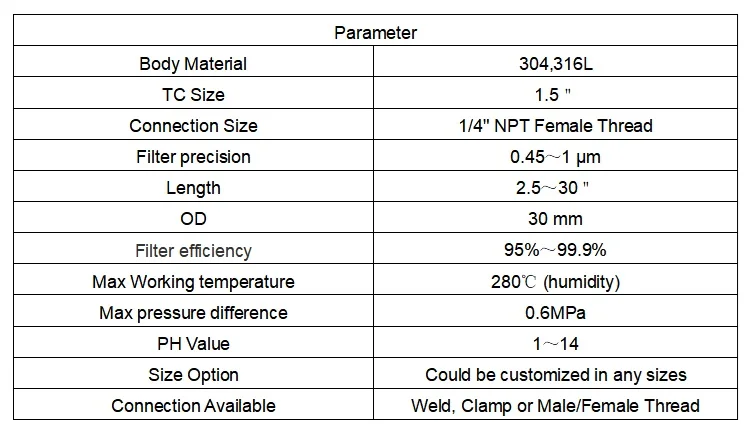
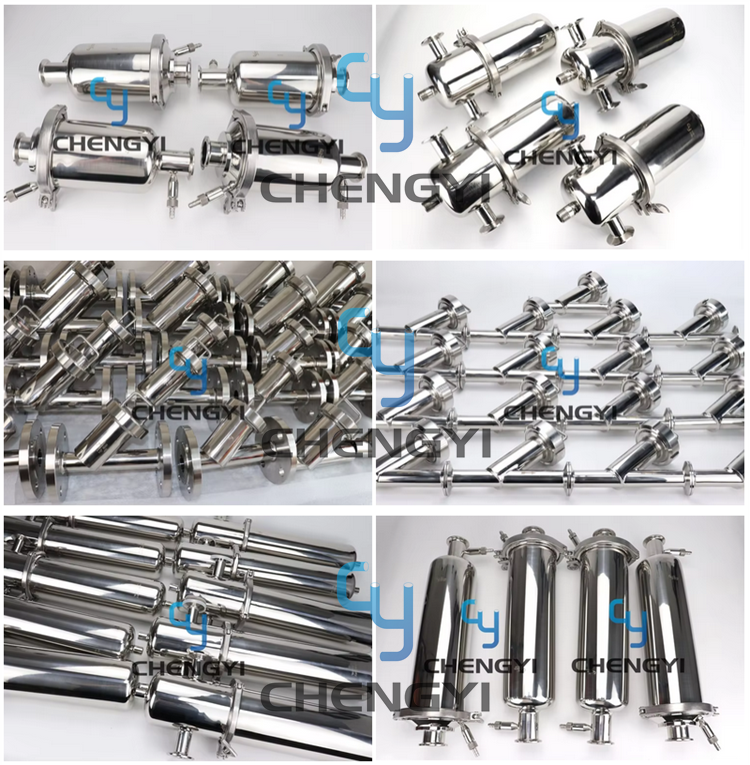
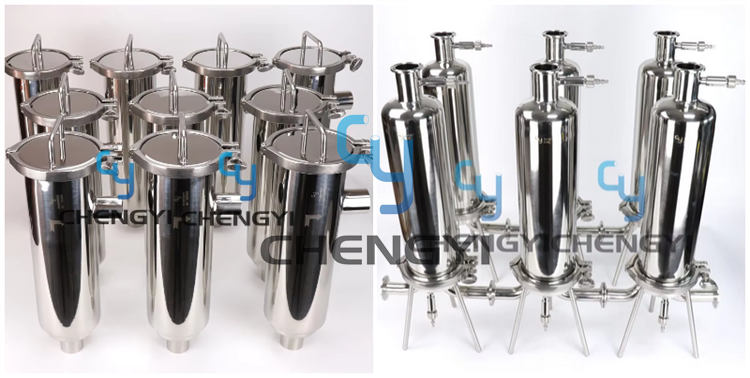
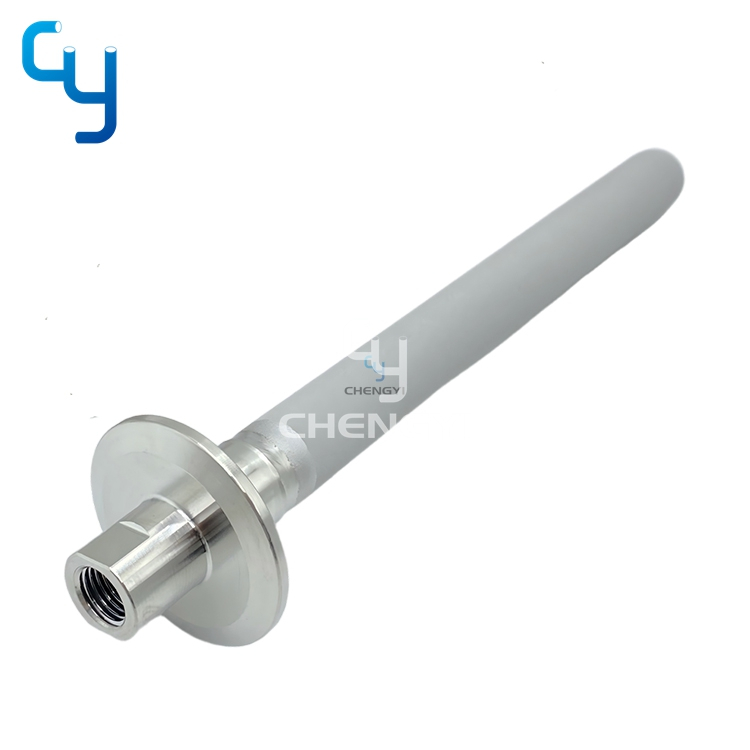
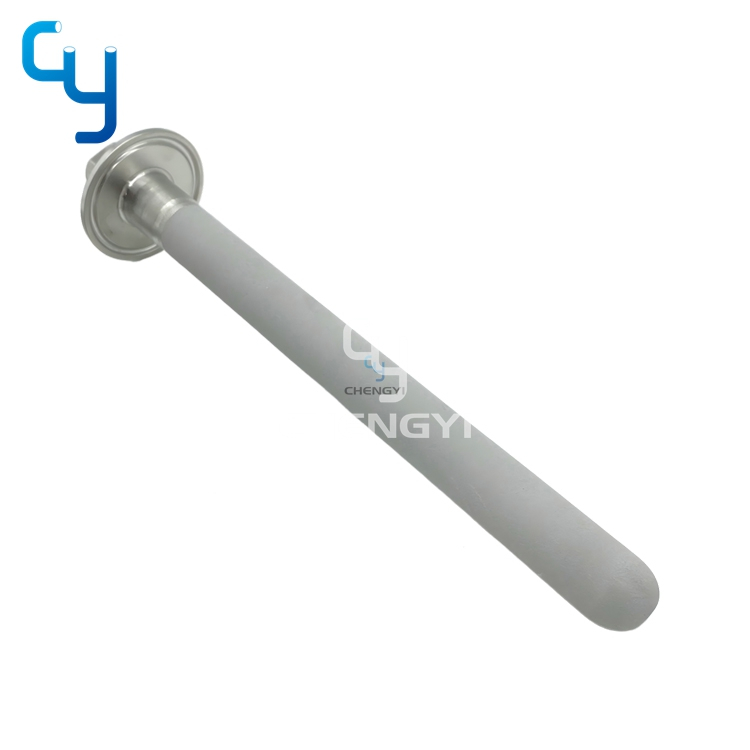
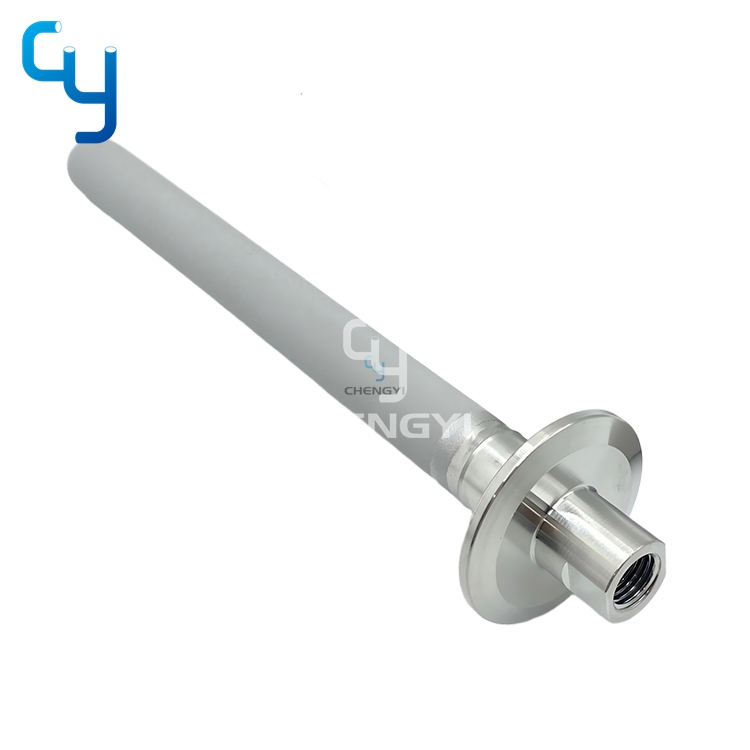
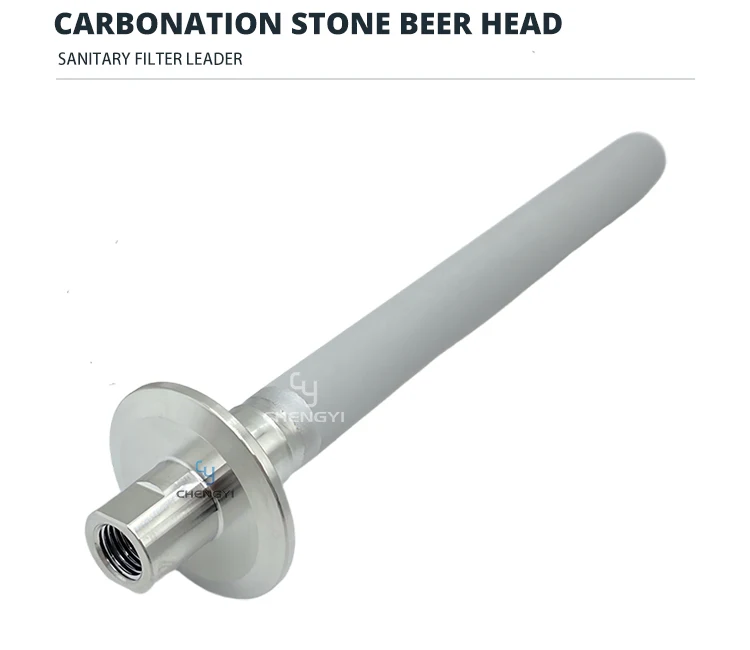
The aeration stone (also known as a diffusion stone or sparger) is a critical gas diffusion device in beer fermentation tanks, typically made of sintered metal, ceramic, or porous materials. Its primary function is to efficiently disperse compressed air or carbon dioxide (CO₂) into fine bubbles, uniformly injecting them into the fermenting liquid to enhance oxygen dissolution, mixing, or carbonation, ensuring optimal yeast metabolism and fermentation efficiency.
In beer fermentation, aeration stones are mainly used in two stages:
1. Wort Aeration: Before
fermentation, sterile air is dispersed through the aeration stone into micron-sized bubbles, increasing gas-liquid contact area and rapidly raising dissolved oxygen levels (8-12 ppm) to meet yeast propagation requirements.
fermentation, sterile air is dispersed through the aeration stone into micron-sized bubbles, increasing gas-liquid contact area and rapidly raising dissolved oxygen levels (8-12 ppm) to meet yeast propagation requirements.
2. Carbonation Process: During post-fermentation, CO₂ is introduced via the aeration stone to achieve the desired carbonation level (approx. 2.6 volumes of CO₂), where bubble fineness directly impacts mouthfeel and foam stability.
Key Performance Requirements Include:
Uniform Pore Size (typically 20-50 microns), determining bubble size and dissolution efficiency;
Corrosion Resistance (316L stainless steel or ceramic) to withstand acidic fermentation conditions;
Anti-Clogging Design, preventing residue buildup from proteins or hop resins that could reduce airflow.
Maintenance involves regular cleaning with acid/base solutions or heat sterilization to prevent microbial contamination. High-quality aeration stones improve fermentation consistency and reduce energy consumption, making them an essential precision component in both craft and large-scale brewing systems.
Technical index